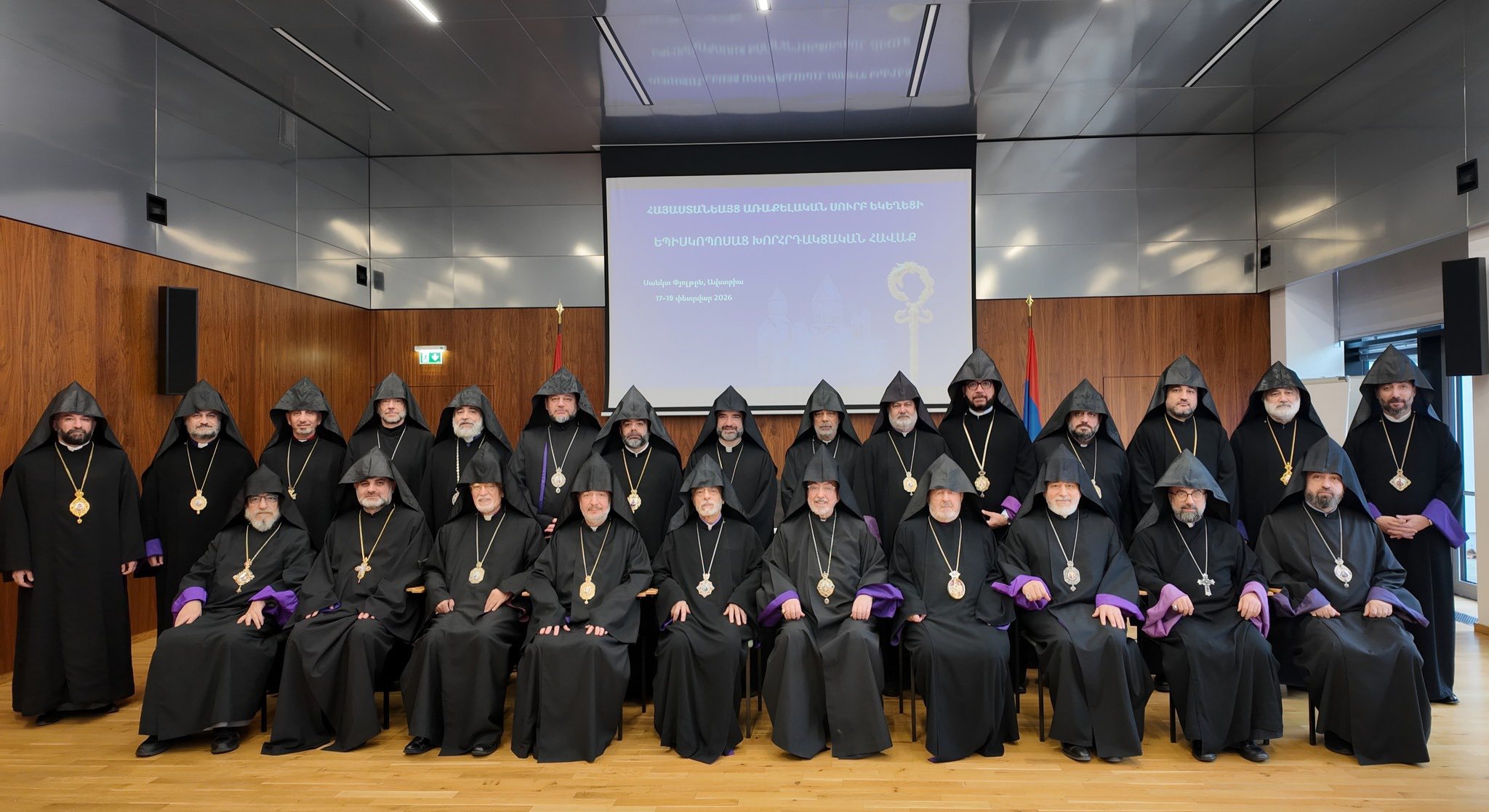
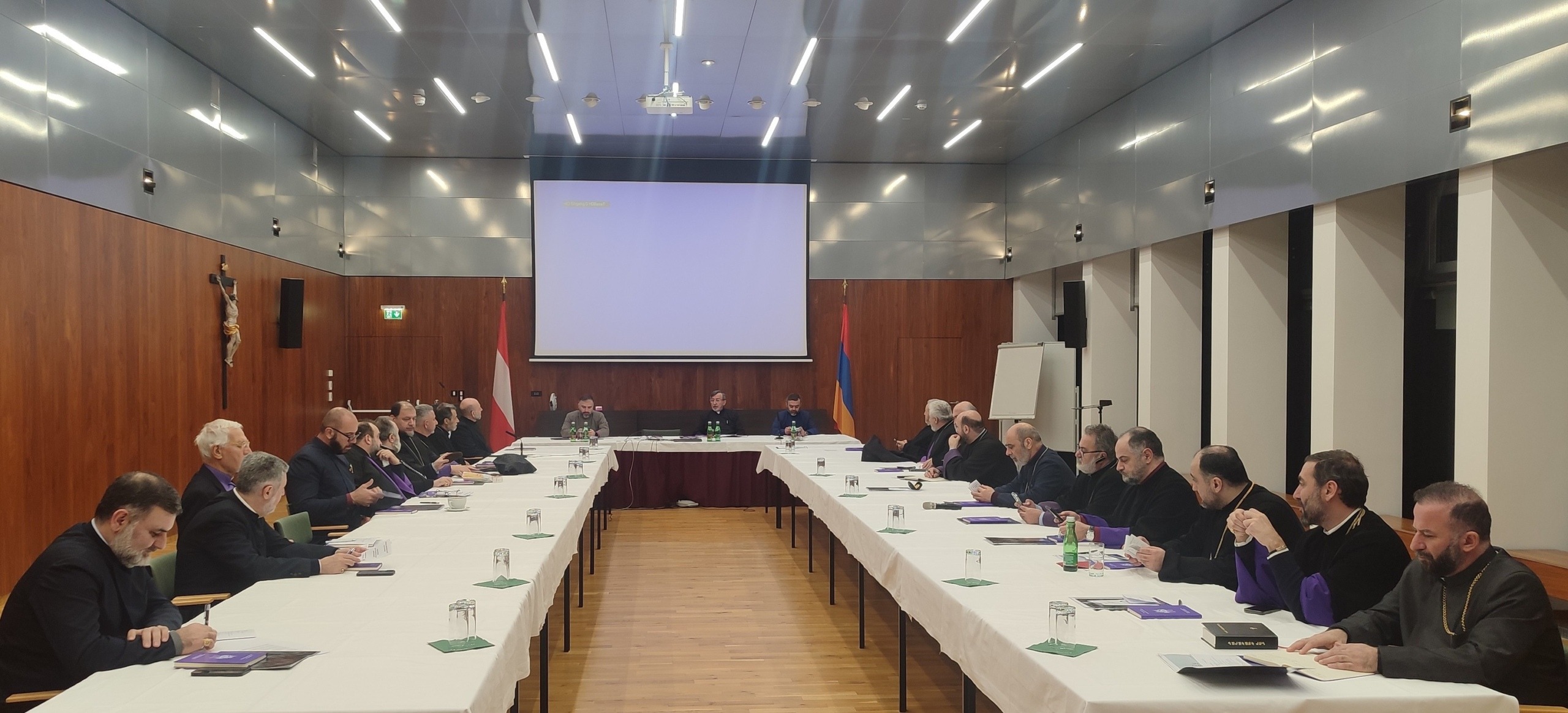
Es war ein ungewöhnliches Bild, das sich am 17. Februar in der niederösterreichischen Bischofsstadt bot: Armenische Hierarchen aus drei Kontinenten versammelten sich in der Kathedrale von St. Pölten zu einem Friedensgebet – nicht aus freier Wahl, sondern aus bitterer Notwendigkeit. Dass die Bischofssynode des Mutterstuhlsitzes Heiliger Etschmiadzin überhaupt außerhalb Armeniens stattfinden musste, sagt alles über den Ernst der Lage.
Reiseverbote, Verhaftungen, laufende Strafverfahren. Die armenische Regierung unter Premierminister Nikol Paschinjan hat in den vergangenen Monaten einen offenen Konflikt mit der Armenischen Apostolischen Kirche vom Zaun gebrochen, der seinesgleichen sucht. Katholikos Karekin II. und sechs weitere Bischöfe konnten nicht ausreisen. Sie schalteten sich per Videokonferenz zu. Eine Szene, die man sich noch vor wenigen Jahren kaum hätte vorstellen können.
Insgesamt 25 Bischöfe nahmen an den dreitägigen Beratungen teil, darunter Vertreter aus Jerusalem und Konstantinopel. Nur zwei Hierarchen aus Armenien selbst waren physisch anwesend. Lokaloberhirte Bischof Alois Schwarz öffnete gastfreundschaftlich die Türen seiner Diözese und würdigte die Versammlung mit warmen Worten. Ein ökumenisches Zeichen, das in dieser Situation nicht selbstverständlich war.
Was die Synode beraten hat
Bindende Entscheidungen konnte diese Versammlung nicht fassen; dafür fehlten sowohl der kanonische Rahmen als auch die vollständige Teilnahme. Was entstand, war eine Erklärung. Ein Dokument, das in seiner Nüchternheit umso schwerer wiegt. Die Bischöfe fordern die Regierung in Eriwan unmissverständlich auf, die Verfolgung der Kirche einzustellen, die inhaftierten Kleriker freizulassen und den Weg des Dialogs ohne Vorbedingungen zu gehen. Gleichzeitig mahnen sie die acht sogenannten „abtrünnigen“ Bischöfe, die sich auf die Seite der Regierung geschlagen haben, zur Rückkehr in die kirchliche Ordnung. Das Auslassen des Namens des Katholikos in der Liturgie (ein in der ostkirchlichen Tradition theologischer und hochsymbolischer Akt) wird ausdrücklich als unkanonisch verurteilt.
Bemerkenswert ist der Ton: Die Erklärung verzichtet auf triumphale Rhetorik. Sie klagt, sie mahnt, sie bittet. Und sie betet.
Eine Kirche unter Druck,
aber nicht ohne Haltung
Paschinyan begründet seinen Kurs mit dem Vorwurf, die Kirche sei ein verlängerter Arm Moskaus und habe in der Arzach-Frage versagt. Die Bischöfe weisen das entschieden zurück: Die Armenische Apostolische Kirche diene ausschließlich ihrem Volk, keiner fremden Macht, keiner politischen Agenda. Reformen seien nötig und willkommen, aber sie müssten aus der Kirche heraus entstehen, in Bischofssynoden beraten und beschlossen werden, und nicht unter staatlichem Druck verordnet werden.
Dass die Synode zudem die Situation der armenischen Gefangenen aus Arzach in Baku anspricht und deren Freilassung fordert, zeigt: Diese Kirche versteht sich trotz allem als Stimme ihres Volkes in seiner Gesamtheit: in Armenien, in der Diaspora und in den Kellern der Gefängnisse.
Ein Bild, das bleibt
Am Ende der drei Tage stand ein Schlusswort aus dem zweiten Korintherbrief: „Seid einmütig und haltet Frieden; und der Gott der Liebe und des Friedens wird mit euch sein.“ Es ist ein frommer Wunsch und zugleich ein theologisches Programm. Denn Einheit ist das, worum es geht. Nicht die erzwungene Einheit unter staatlicher Kuratel, sondern die mühsam errungene Einheit einer Kirche, die seit fast 2000 Jahren gelernt hat, auch in der Fremde zu überleben.
St. Pölten war dieser Tage ein kleines Stück Armenien. Das ist, bei allem Schmerz, auch eine Art Zeugnis.
Pfr. Dr. Diradur Sardaryan
Հայաստանյայց Առաքելական Սուրբ Եկեղեցու
Ամենայն Հայոց Կաթողիկոսության
Եպիսկոպոսաց հավաքը հանդես եկավ հայտարարությամբ
2026 թ․փետրվարի 17-19-ին Ն.Ս.Օ.Տ.Տ. Գարեգին Բ Ծայրագույն Պատրիարք և Ամենայն Հայոց Կաթողիկոսի հրավերով և օրհնությամբ Ավստրիայի Սանկտ Փյոլթըն քաղաքում գումարված Եպիսկոպոսաց հավաքն ավարտեց իր աշխատանքները։
Հավաքի արդյունքում ժողովականները հանդես եկան հայտարարությամբ․
«Մենք՝ Ամենայն Հայոց Կաթողիկոսության՝ Մայր Աթոռ Սուրբ Էջմիածնի, Երուսաղեմի Հայոց Պատրիարքության և Կ․Պոլսի Հայոց Պատրիարքության, քսանհինգ եպիսկոպոսներս, գոհություն և փառք ենք մատուցում Երկնավոր Տիրոջը, որ շնորհը պարգևեց մեզ Մեծի Պահոց շրջանի մեկնարկին աղոթական միությամբ վերանորոգելու Իջման Սուրբ Սեղանի առջև կնքած եպիսկոպոսական մեր ուխտը և հոգևոր առանձնացումով զորանալու մեր սրբազան կոչման մեջ՝ ներկա խռովահույզ ժամանակներում առավել նախանձախնդրությամբ և պատասխանատվությամբ շարունակելու արդյունավորել մեր առաքելությունը՝ ի խնդիր Հայաստանյայց Առաքելական մեր Սուրբ Եկեղեցու պայծառության, աշխարհասփյուռ հավատավոր մեր ժողովրդի հավատքի ամրապնդման և հոգևոր կյանքի զորացման։
Որդիական մեր շնորհակալությունն ենք հայտնում Նորին Սուրբ Օծություն Տեր Տեր Գարեգին Բ Ամենայն Հայոց Կաթողիկոսին, ում հայրական հրավերով հայրենիքում և սփյուռքում ծառայող եպիսկոպոսներս համախմբվել ենք՝ միասնաբար խորհրդածելու Հայոց Եկեղեցու առջև ծառացած մարտահրավերների շուրջ և լուծումներ գտնելու դրանց հաղթահարման ուղղությամբ։
Խորը մտահոգությամբ ու դատապարտությամբ ենք արձանագրում, որ քրեական անհիմն հետապնդման պատճառով արգելափակվեց Հայոց Հովվապետի և մեր վեց եպիսկոպոս եղբայրների ելքը Հայաստանից և մասնակցությունը Եկեղեցու կյանքում կարևոր նշանակություն ունեցող այս պատկառելի հավաքին։ Արհեստականորեն ստեղծված այս խոչընդոտի պատճառով մենք հարկադրված էինք տեսակապի միջոցով ունկնդիր լինել Ամենայն Հայոց Կաթողիկոսի հայրապետական պատգամին։ Սույն հավաքին իրենց ուղերձներն էին հղել նաև Նվիրապետական մեր մյուս Աթոռների գահակալները՝ Նորին Սուրբ Օծություն Տեր Տեր Արամ Ա Մեծի Տանն Կիլիկիո Կաթողիկոսը, Երուսաղեմի Հայ Պատրիարք Նորին Ամենապատվություն Տեր Նուրհան արքեպիսկոպոս Մանուկյանը և Կ․Պոլսի Հայոց Պատրիարք Նորին Ամենապատվություն Տեր Սահակ արքեպիսկոպոս Մաշալյանը։
Եպիսկոպոսաց հավաքը իր եռօրյա նիստերի ընթացքում քննության առավ օրակարգում ընդգրկված հետևյալ նյութերը՝
– «Եկեղեցու առաքելությունը արդի ժամանակաշրջանում և առկա մարտահրավերները հայրենիքի և սփյուռքի մեջ» (զեկուցող՝ Տ․ Հովնան արքեպիսկոպոս Տերտերյան),
– «Եկեղեցի-պետություն հարաբերությունների ներկա կացությունը և Եկեղեցու շուրջ ստեղծված իրավիճակը Հայաստանի մեջ» (զեկուցող՝ Տ․ Գրիգոր եպիսկոպոս Խաչատրյան),
– «Եկեղեցու ինքնավարության պաշտպանությունը քաղաքական շահարկումներից և ստեղծված իրավիճակի հաղթահարման ուղիները» (զեկուցող՝ Տ․ Աշոտ եպիսկոպոս Մնացականյան)։
Եղբայրական սիրո ու փոխհասկացողության մթնոլորտում բովանդակային, կառուցողական քննարկումների արդյունքում Եպիսկոպոսաց հավաքի մասնակիցներս վճռականորեն վերահաստատում ենք մեր Սուրբ Եկեղեցու ավանդությամբ ու բազմադարյա փորձառությամբ նվիրագործված կարգերն ու սկզբունքները հոգեփրկչական իր առաքելության, այլև համազգային և հայրենական կյանքի առնչությամբ՝ ի մասնավորի արձանագրելով, որ՝
ա․ Սուրբ Թադեոս և Սուրբ Բարդուղիմեոս առաքյալների քարոզչությամբ հիմնադրված Հայոց Եկեղեցու գլուխը Հիսուս Քրիստոս է (Եփես. Ա 22)։ Տերունահաստատ այս կառույցը ղեկավարվում է Սուրբ Գրքով, Եկեղեցու վարդապետությամբ ու կանոններով և առաքելական հաջորդականության սկզբունքով՝ Հայոց Հայրապետների հովվապետությամբ։ Հայաստանյայց Առաքելական Սուրբ Եկեղեցու առաքելությունը հայրենիքում և սփյուռքում ներառում է ազգիս զավակների հոգևոր խնամքն ու քրիստոնեական դաստիարակությունը, ազգային և հոգևոր ինքնության պահպանումը։
բ․ Բազմադարյա իր պատմության հոլովույթներում Հայոց Եկեղեցին, որպես «կենդանի Աստծո Եկեղեցի, սյուն և հաստատություն ճշմարտության» (Ա Տիմ. Գ 15), ժամանակի պահանջներին համահունչ, ներքին բարենորոգությամբ միշտ կենսունակ է պահել Քրիստոսի Ավետարանը քարոզելու և ժողովրդին դեպի փրկություն առաջնորդելու իր բուն առաքելությունը։
գ․ Միաժամանակ Հայոց Եկեղեցին, որպես համազգային նշանակության հնագույն հաստատություն, մշտապես ջատագովն է եղել հայոց անկախ պետականության գոյության և առավելագույն չափով սատարել և այսօր ևս շարունակում է նպաստել նրա զորացմանն ու առաջընթացին՝ անխախտ համոզումով, որ հայրենի պետությունն է պաշտպանն ու երաշխավորը հայ ժողովրդի հարատևության և ազգային իղձերի իրականացման։ Այդ ճանապարհին Հայոց Եկեղեցին երբեք չի ծառայել և չի ծառայում օտար ուժերի կամ արտաքին շահերի, այլ իր հավատարմությունն անսակարկ պահել է բացառապես հայ ժողովրդին, նրա պետականությանը և ազգային ինքնության պահպանությանը։
Այս համատեքստում եպիսկոպոսաց դասը խորը մտահոգություն է հայտնում եկեղեցի-պետություն հարաբերությունների անցանկալի ներկա կացության առնչությամբ և վտանգաշատ այս իրադրության մեջ կոչ անում ՀՀ իշխանություններին՝
– դադարեցնել Եկեղեցու հանդեպ հալածանքները և հարգել Եկեղեցու դարերով ամրագրված ինքնիշխանությունն ու ինքնավարությունը՝ եկեղեցի-պետություն հարաբերությունները խարսխելով փոխադարձ հարգանքի, իրավասությունների հստակ տարանջատման և ազգային շահի առաջնահերթության վրա,
– վերջ դնել շինծու մեղադրանքներով ու զրպարտություններով եկեղեցականների ու ազգընտիր Ամենայն Հայոց Հայրապետի նկատմամբ բռնաճնշումներին,
– ազատ արձակել կալանավորված չորս սրբազան մեր եղբայրներին, քահանային, ինչպես նաև Եկեղեցուն ի պաշտպանություն հանդես եկած հայորդիներին,
– գործել բացառաբար ՀՀ Սահմանադրությամբ, օրենսդրությամբ և միջազգային օրենքներով և հավատարիմ մնալ հռչակված ժողովրդավարական սկզբունքներին ՝ երաշխավորելով երկրում խղճի, կրոնի և դավանանքի ազատությունը, պառակտման փոխարեն ապահովելով հասարակական համերաշխություն,
– առկա խնդիրներն ու հակառակությունները փարատել երկխոսության ոգով, առանց նախապայմանների՝ զերծ մնալով անհեռանկար վերջնագրային խոսույթից։
Եպիսկոպոսաց հավաքի մասնակիցներս միաժամանակ հորդորում ենք խոտորյալ ութ սրբազաններին՝
– գործել Սուրբ Էջմիածնի և Ամենայն Հայոց Կաթողիկոսի հանդեպ հավատարմության ուխտի և ծառայական կոչման գիտակցությամբ,
– ներեկեղեցական կյանքին առնչվող խնդիրներն արծարծել և լուծել բացառապես Եկեղեցու լիազոր ատյաններում,
– ձեռնպահ մնալ հակականոնական գործողություններից, ջլատող քայլերից ու անջատողական դրսևորումներից, որոնք սպառնում են առաջացնել հերձված՝ տկարացնելով Եկեղեցու առաքելությունը մեր հավատավոր ժողովրդի կյանքում։ Այս շրջագծում Սուրբ Պատարագներին Վեհափառ Հայրապետի անվան հիշատակության հատվածի զեղչումը որևէ հիմնավորմամբ եկեղեցաբանորեն անընդունելի է և ուղիղ հարված Սուրբ Էջմիածնի միաբանությանը և Հայոց Եկեղեցու միասնությանը։
Անընդունելի նկատելով արտաքին պարտադրանքի ներքո բարենորոգման որևէ շարժում՝ հրամայական անհրաժեշտություն ենք նկատում Հայ Եկեղեցու առջև ծառացած մարտահրավերների հաղթահարման և բարեկարգության աշխատանքներն իրականացնել միմիայն եպիսկոպոսաց ժողովում և եկեղեցական կանոնական բարձրագույն մարմիններում։
Հայ Եկեղեցու եպիսկոպոսներս վերահաստատում ենք մեր հավատարմությունը Մայր Աթոռ Սուրբ Էջմիածնին և Ամենայն Հայոց Կաթողիկոսին՝ որպես տեսանելի խորհրդանիշ և երաշխիք Եկեղեցու միության, հաշտության ու համերաշխության, քանզի «Աստված խռովության Աստված չէ, այլ՝ խաղաղության» (Ա Կորնթ. ԺԴ 33)։
Օրհնությամբ Հայոց Հովվապետի հանձնառու ենք եպիսկոպոսաց ժողովի պարբերական գումարումով նպաստել Եկեղեցու առջև ծառացած մարտահրավերների քննությանն ու հաղթահարմանը, մեր ժողովրդի կյանքում մեր հոգևոր սպասավորության առավել զորացմանը։
Մեր հորդորն ենք հղում մեր Սուրբ Եկեղեցու ուխտապահ հոգևոր դասին՝ անսասան մնալու իրենց կոչման և ծառայության մեջ՝ «օրինակ լինելով հավատացյալներին՝ խոսքով, վարմունքով, սիրով, հավատով, մաքրությամբ» (Ա Տիմ. Դ 12)։
Եկեղեցին պիտի անշեղորեն շարունակի իր սրբազան առաքելությունը՝ անկախ արտաքին ճնշումներից՝ հավատարիմ մնալով Սուրբ Ավետարանին և Հայաստանյայց Առաքելական Սուրբ Եկեղեցու ուղղափառ վարդապետությանը։
Այս առիթով կոչ ենք ուղղում նաև հավատավոր մեր ժողովրդին, որպես Քրիստոսով «մեկ մարմին և մեկ հոգի» (Եփես. Դ 4), հավատարիմ ու համախումբ մնալու Առաքելական մեր Սուրբ Եկեղեցու շուրջ և աղոթակցությամբ ու նվիրվածությամբ, բարի գործերով շենացնելու և պայծառացնելու ազգային ու հոգևոր մեր անդաստանները։
Խորապես մտահոգված լինելով Բաքվում Արցախի ղեկավարության նկատմամբ իրականացված կեղծ դատավարությամբ և անօրինական վճիռներով՝ մեր կոչն ենք ուղղում միջազգային հանրությանը և Քույր Եկեղեցիներին շարունակելու ջանքեր ներդնել պատանդառված հայորդիների շուտափույթ ազատ արձակման ուղղությամբ։
Ի խորոց սրտի մեր աղոթքն է, որ Բարին Աստված, բարեխոսությամբ Ս․ Աստվածածնի և ամենայն սրբոց, անսասան և անվրդով պահի և պահպանի մեր Սուրբ Եկեղեցին, զորացնի հայոց անկախ պետականությունը, խաղաղության և բարօրության մեջ առաջնորդի կյանքը աշխարհասփյուռ հայոց ազգի։ Հայցում ենք, որ Տերը խաղաղություն պարգևի համայն աշխարհի, բոլոր ազգերին ու ժողովուրդներին։
«Վերջապես, եղբայրք, ուրախ եղեք, կատարյալ եղեք, մխիթարվեցեք, միաբան եղեք և խաղաղություն արեք. և սիրո ու խաղաղության Աստվածը ձեզ հետ լինի» (Բ Կոր․ ԺԳ 11)»:
Տ․ Խաժակ Արքեպս․ Պարսամյան
Տ. Հովնան Արքեպս․ Տերտերյան
Տ․ Վիգեն Արքեպս․ Այքազյան
Տ. Արամ Արքեպս․Աթեշյան
Տ․ Եզրաս Արքեպս․ Ներսիսյան
Տ․ Աշոտ Եպս․ Մնացականյան
Տ․ Արմաշ Եպս․ Նալբանդյան
Տ. Արարատ Եպս. Գալթագճյան
Տ․ Մարկոս Եպս․ Հովհաննիսյան
Տ․ Հովակիմ Եպս․ Մանուկյան
Տ․ Տաթև Եպս․ Հակոբյան
Տ․ Նարեկ Եպս․ Բերբերյան
Տ․ Աբգար Եպս․ Հովակիմյան
Տ․ Սերովբե Եպս․ Իսախանյան
Տ. Դանիել Եպս. Ֆընտըգյան
Տ․ Տիրան Եպս․ Պետրոսյան
Տ․ Օշական Եպս․ Գյուլգյուլյան
Տ. Թեոդորոս Եպս. Զաքարյան
Տ․ Մեսրոպ Եպս․ Պարսամյան
Տ․ Կորյուն Եպս․ Բաղդասարյան
Տ․ Կիրակոս Եպս․ Դավթյան
Տ․ Առեն Եպս․ Շահենյան
Տ․ Գրիգոր Եպս․ Խաչատրյան
Տ. Պարթև Եպս. Բարսեղյան
Տ․ Խորեն Եպս․ Առաքելյան
The Assembly of Bishops of the Catholicosate of All Armenians of the Armenian Apostolic Holy Church Issued a Statement
On 17–19 February 2026, at the invitation and with the blessing of His Holiness Karekin II, Supreme Patriarch and Catholicos of All Armenians, the Assembly of Bishops convened in the city of Sankt Pölten, Austria, concluded its proceedings.
As a result of the meeting, the participants issued the following statement:
“We, the twenty-five bishops of the Catholicosate of All Armenians — of the Mother See of Holy Etchmiadzin, the Armenian Patriarchate of Jerusalem, and the Armenian Patriarchate of Constantinople — render thanks and glory to the Heavenly Lord, who granted us the grace, at the beginning of the Great Lent, to renew in prayerful unity before the Holy Altar of the Descent our episcopal vow, and through spiritual retreat to be strengthened in our sacred calling, so that in these turbulent times we may continue, with greater zeal and responsibility, to make fruitful our mission for the wellbeing of our Armenian Apostolic Holy Church, for the strengthening of the faith of our faithful people dispersed throughout the world, and for the fortification of their spiritual life.
We express our filial gratitude to His Holiness Karekin II, Catholicos of All Armenians, at whose paternal invitation we bishops serving in the homeland and the Diaspora have gathered together to reflect jointly upon the challenges facing the Armenian Church and to seek solutions for overcoming them.
With deep concern and condemnation we note that, due to unfounded criminal prosecution, the departure from Armenia of the Armenian Pontiff and our six brother bishops and their participation in this significant Assembly of great importance to the life of the Church were obstructed. Because of this artificially created impediment, we were compelled to listen to the Pontifical message of the Catholicos of All Armenians by means of telecommunication. Messages were also addressed to this Assembly by the Heads of our other Hierarchical Sees: His Holiness Aram I, Catholicos of the Great House of Cilicia; His Beatitude Archbishop Nourhan Manougian, Armenian Patriarch of Jerusalem; and His Beatitude Archbishop Sahak Mashalian, Armenian Patriarch of Constantinople.
During its three-day sessions, the Assembly of Bishops examined the following items on the agenda:
– ‘The Mission of the Church in the Contemporary Period and the Existing Challenges in the Homeland and the Diaspora’ (rapporteur: Archbishop Hovnan Derderian),
– ‘The Present State of Church–State Relations and the Situation Created around the Church in Armenia’ (rapporteur: Bishop Grigor Khachatryan),
– ‘The Protection of the Church’s Autonomy from Political Manipulation and the Ways of Overcoming the Present Situation’ (rapporteur: Bishop Ashot Mnatsakanyan).
In an atmosphere of brotherly love and mutual understanding, following substantive and constructive discussions, we, the participants of the Assembly of Bishops, resolutely reaffirm the orders and principles sanctified by the tradition and centuries-old experience of our Holy Church in regard to her salvific mission and also in relation to national and homeland life, recording in particular that:
a. The Head of the Armenian Church, founded by the preaching of Saint Apostles Thaddeus and Bartholomew, is Jesus Christ (
Eph. 1:22). This divinely established institution is governed by Holy Scripture, the teaching and canons of the Church, and by the principle of apostolic succession under the pastoral leadership of the Armenian Catholicoi. The mission of the Armenian Apostolic Holy Church in the homeland and the Diaspora includes the spiritual care and Christian education of the sons and daughters of our nation, as well as the preservation of national and spiritual identity.
b. Throughout the course of its centuries-old history, the Armenian Church, as the ‘Church of the living God, the pillar and ground of the truth’ (
1 Tim. 3:15), in accordance with the demands of the times and through internal renewal, has always kept alive its essential mission of preaching the Gospel of Christ and leading the people toward salvation.
c. At the same time, the Armenian Church, as an ancient institution of pan-national significance, has consistently been an advocate for the existence of Armenian independent statehood and has supported it to the fullest extent possible, and continues even today to contribute to its strengthening and advancement, in the unshakeable conviction that the homeland state is the protector and guarantor of the perpetuity of the Armenian people and the realization of national aspirations. Along this path, the Armenian Church has never served and does not serve foreign powers or external interests, but has kept its fidelity uncompromisingly and exclusively to the Armenian people, to their statehood, and to the preservation of national identity.
In this context, the order of bishops expresses deep concern regarding the undesirable present condition of Church–State relations and, in this perilous situation, calls upon the authorities of the Republic of Armenia to:
– cease persecutions against the Church and respect the sovereignty and autonomy of the Church, secured through the centuries, basing Church–State relations upon mutual respect, clear delineation of competencies, and the primacy of national interest,
– put an end to repressions against clergy and the nationally elected Catholicos of All Armenians based on fabricated accusations and slander,
– release our four imprisoned sacred brothers, the priest, as well as the sons of the nation who have spoken out in defence of the Church,
– act exclusively in accordance with the Constitution of the Republic of Armenia, its legislation and international law, and remain faithful to proclaimed democratic principles, guaranteeing freedom of conscience, religion and belief in the country, and ensuring public solidarity instead of division,
– dispel existing problems and disagreements in a spirit of dialogue, without preconditions, refraining from futile ultimatum rhetoric.
The participants of the Assembly of Bishops simultaneously exhort the eight erring hierarchs to:
– act with awareness of the vow of fidelity and of their ministerial calling toward Holy Etchmiadzin and the Catholicos of All Armenians,
– raise and resolve issues pertaining to internal Church life exclusively within the authorised ecclesiastical bodies of the Church,
– refrain from anti-canonical actions, weakening steps and separatist manifestations which threaten to cause schism, thereby weakening the mission of the Church in the life of our faithful people. In this regard, the omission of the commemoration of His Holiness during the Divine Liturgy, under any justification, is ecclesiologically unacceptable and constitutes a direct blow to the brotherhood of Holy Etchmiadzin and the unity of the Armenian Church.
Considering unacceptable any movement of reform under external compulsion, we deem it an imperative necessity that the work of overcoming the challenges facing the Armenian Church and of her orderly improvement be carried out solely within the Assembly of Bishops and the supreme canonical bodies of the Church.
We, the bishops of the Armenian Church, reaffirm our fidelity to the Mother See of Holy Etchmiadzin and to the Catholicos of All Armenians as the visible symbol and guarantor of the unity, reconciliation and concord of the Church, for ‘God is not the author of confusion, but of peace’ (1 Cor. 14:33).
With the blessing of His Holiness, we are committed, through the regular convocation of the Assembly of Bishops, to contribute to the examination and overcoming of the challenges facing the Church and to the further strengthening of our spiritual ministry in the life of our people.
We address our exhortation to the clergy of our Holy Church to remain steadfast in their calling and service, ‘being examples to the believers in word, in conduct, in love, in faith, in purity’ (
1 Tim. 4:12).
The Church must unwaveringly continue her sacred mission, regardless of external pressures, remaining faithful to the Holy Gospel and to the orthodox doctrine of the Armenian Apostolic Holy Church.
On this occasion, we also call upon our faithful people, as ‘one body and one Spirit’ in Christ (
Eph. 4:4), to remain faithful and united around our Apostolic Holy Church and, through prayerful communion and devotion and through good works, to cultivate and brighten our national and spiritual fields.
Deeply concerned by the false trial and unlawful verdicts carried out in Baku against the leadership of Artsakh, we call upon the international community and the Sister Churches to continue to make efforts toward the swift release of the captive Armenian sons.
From the depths of our hearts, our prayer is that the Good God, through the intercession of the Holy Mother of God and all the saints, keep and preserve our Holy Church steadfast and unshaken, strengthen Armenian independent statehood, and lead the life of the Armenian nation dispersed throughout the world in peace and prosperity. We beseech the Lord to grant peace to the whole world, to all nations and peoples.
‘Finally, brethren, rejoice, be perfected, be comforted, be of one mind, live in peace; and the God of love and peace shall be with you’ (2 Cor. 13:11).”